Working now
Demand forecasting and replenishment, service triage, first-draft content, and reporting that used to take a week of spreadsheets.
Retail consulting · United States & United Kingdom
Retail AI
Every retailer is being sold the same story: AI will change everything, soon. The useful question is narrower. Which decision in your business would improve if the information behind it were faster and better?
Steve is a member of the Retail AI Council and a founding member of the RetailClub AI Festival. That work is about separating what is already useful on a sales floor from what is still a conference slide.
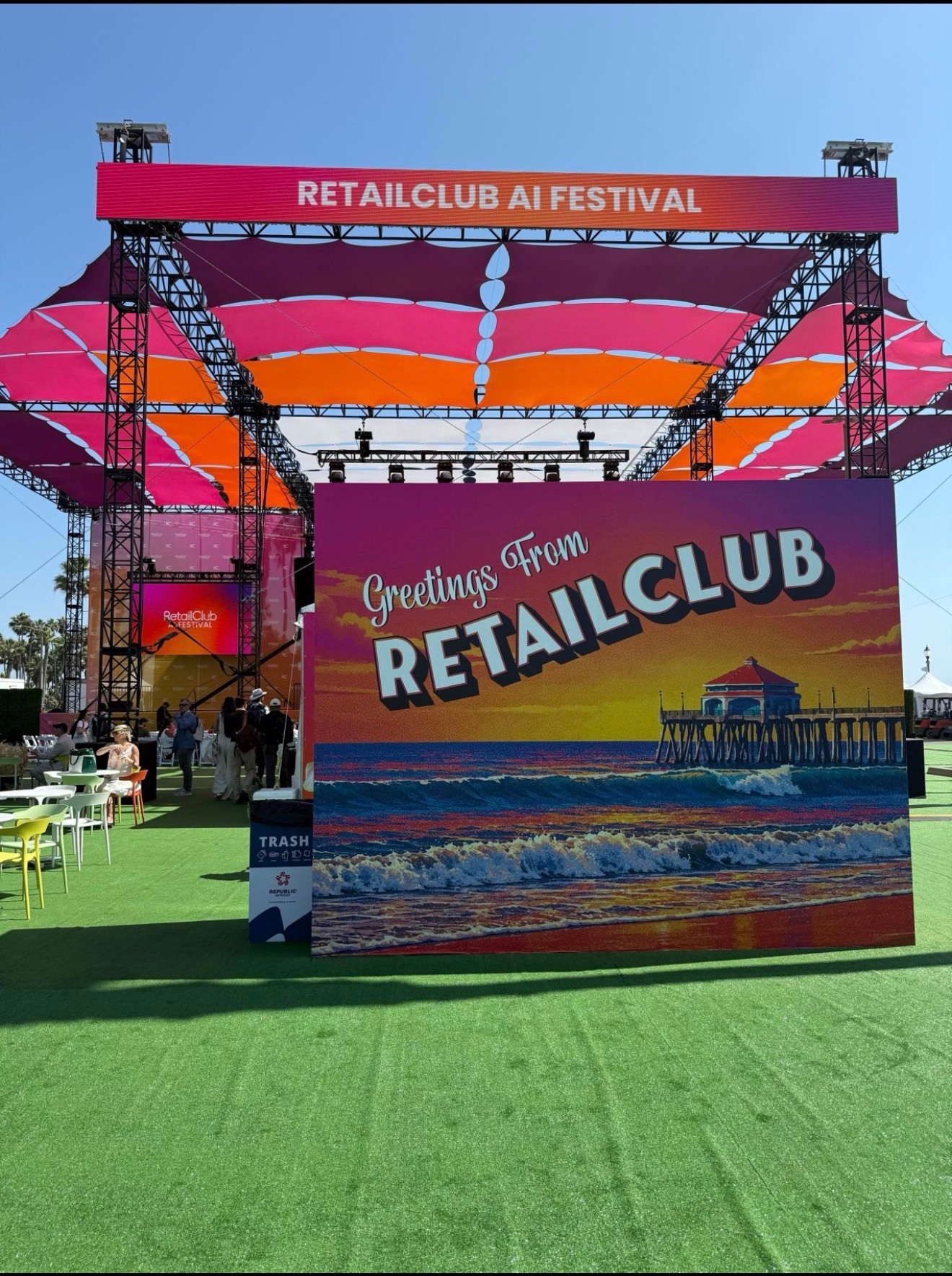
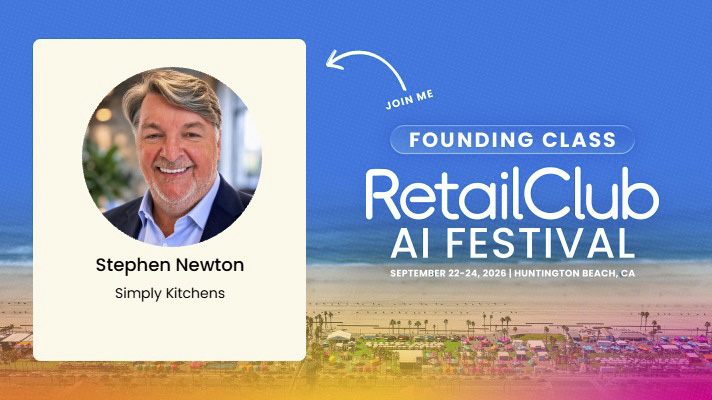
Founding class · Huntington Beach · September 2026
The honest version
What we see across the work we do with retailers, and what we hear from the people building the tools.
Working now
Demand forecasting and replenishment, service triage, first-draft content, and reporting that used to take a week of spreadsheets.
Still noise
Fully autonomous stores, assistants that pretend to replace product knowledge, and AI strategies with no decision attached to them.
Still human
Range and space judgement, supplier negotiation, leading a team through change, and the conversation at the counter.
Where it pays
Not a wish list. These are the areas where retailers can usually point at a decision that got faster, cheaper or better.
Better demand signals mean fewer lost sales and less cash sitting in the stockroom. The value comes from the decision it changes, not the model.
Reading sales, margin and markdown patterns across hundreds of lines faster than a category team can by hand, so the range review starts from evidence.
Triaging enquiries, drafting replies and surfacing order detail, so a small team answers more customers without sounding like a machine.
Turning visit notes, task lists and compliance checks into something a regional manager can act on the same day.
A practical way in
Not a platform. One recurring decision where better information would change what you do: what to reorder, what to mark down, who to call back first.
Most projects fail here, not in the model. We check that the numbers you would feed it are complete, comparable and current.
One category, one region, one team, with a clear end date. Enough to see whether the output is trusted by the people who have to use it.
Compare against the baseline you set on day one. Scale it, change it, or stop it. Stopping is a result too.
Readiness check
Tick what is already true in your business. Nothing is stored or sent anywhere until you choose to send it. If you want a second opinion, send the result to us and we will reply with the two or three things worth fixing first.
Most AI projects stall on data and ownership, not on the technology.
0 of 6 in place
Nothing ticked yet. Most retailers start at one or two.
Bring a live decision
A reorder, a markdown, a staffing rota, a backlog of customer emails. Bring one and we will look at it together, with no obligation.
No database, no tracking. This page keeps nothing.